ICNSL
Intelligent Communications and Networked Systems Laboratory
📌 Notice
연구, 학업, 진로·미래 또는 개인적인 고민에 관해 면담이 필요한 경우, 메일로 연락주세요.
If you would like to discuss research, academics, career or future plans, or personal concerns, please contact me by email.
📢 Recent News
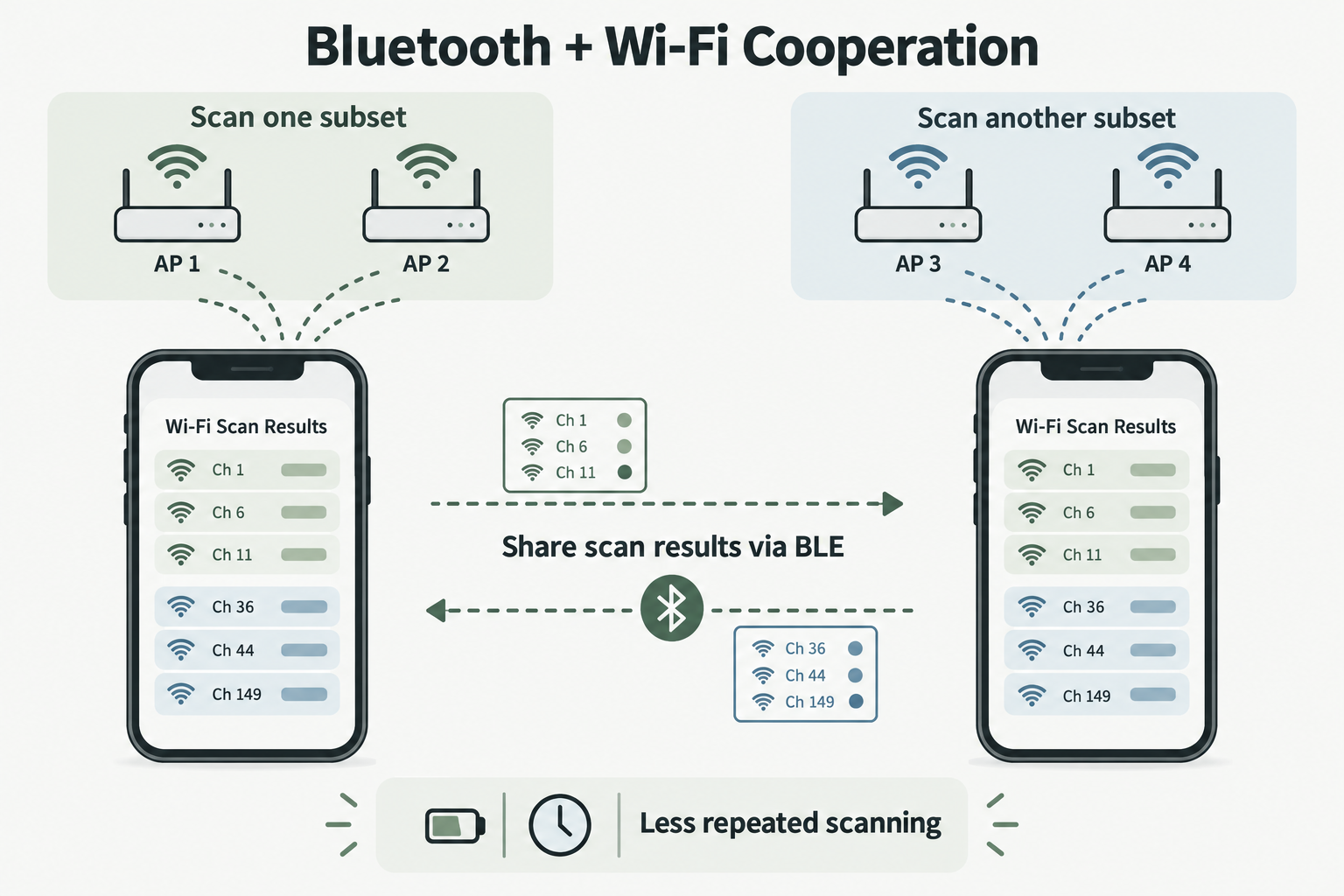
[2026.09] Our paper, “A Graph-Theoretic and Stochastic Analysis of BLE-Assisted Cooperative Wi-Fi Scanning,” has been published in Mathematics.
[2026.08] 지능정보융합학과 최세현 학생이 학부연구생으로 연구실에 합류하게 되었습니다. 환영합니다!. We are pleased to welcome Sehyun Choi, a student in the Department of Artificial Intelligence and Information Technology, to our lab as an undergraduate researcher. 👍
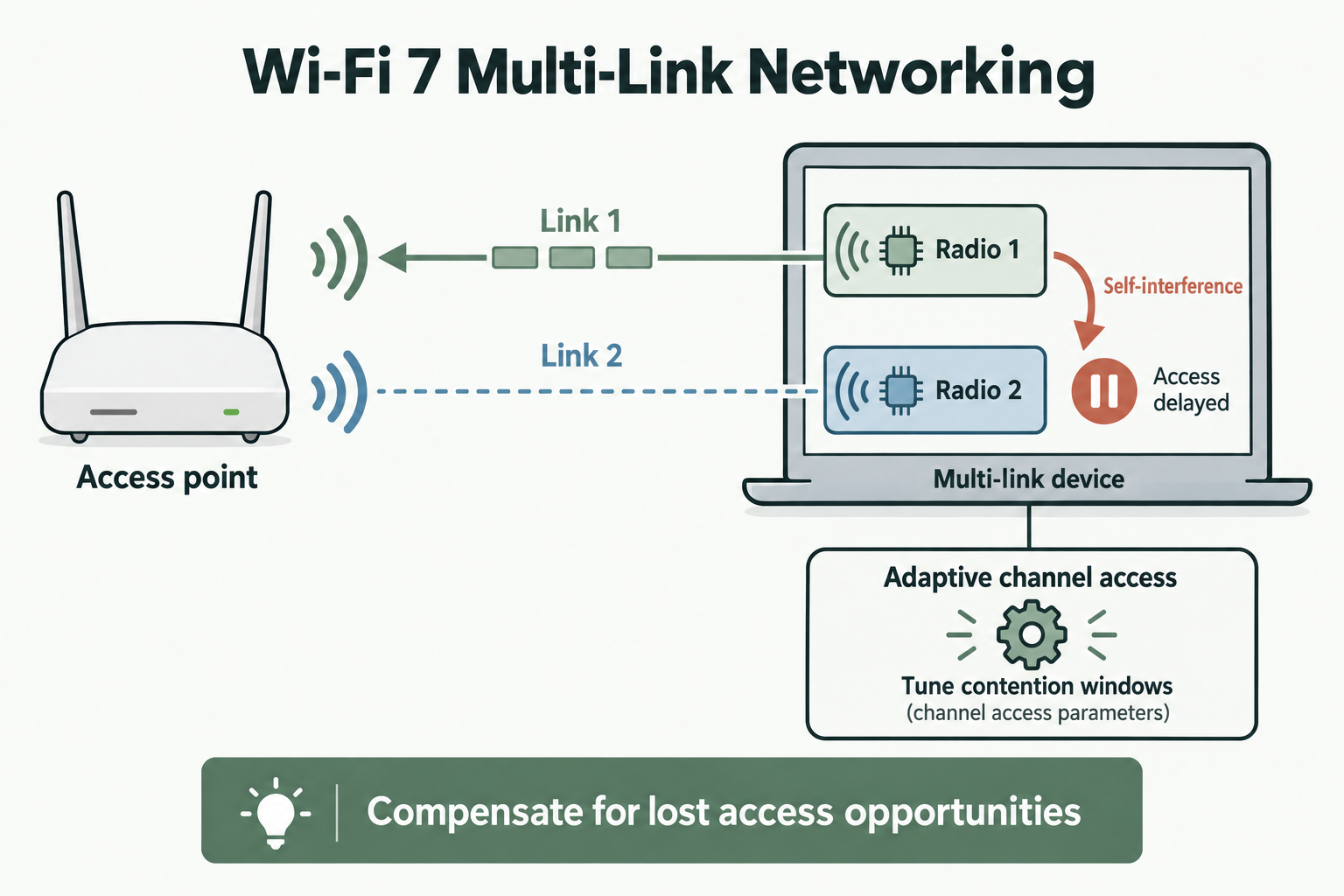
[2026.07] Our work, "Demystifying Multi‑Link Device Behavior and Performance under Network Saturation in Wi‑Fi 7", has been published in the IEEE Transactions on Networking.
[2026.06] Website renewal! Yay! 홈페이지를 리뉴얼 했습니다 😺
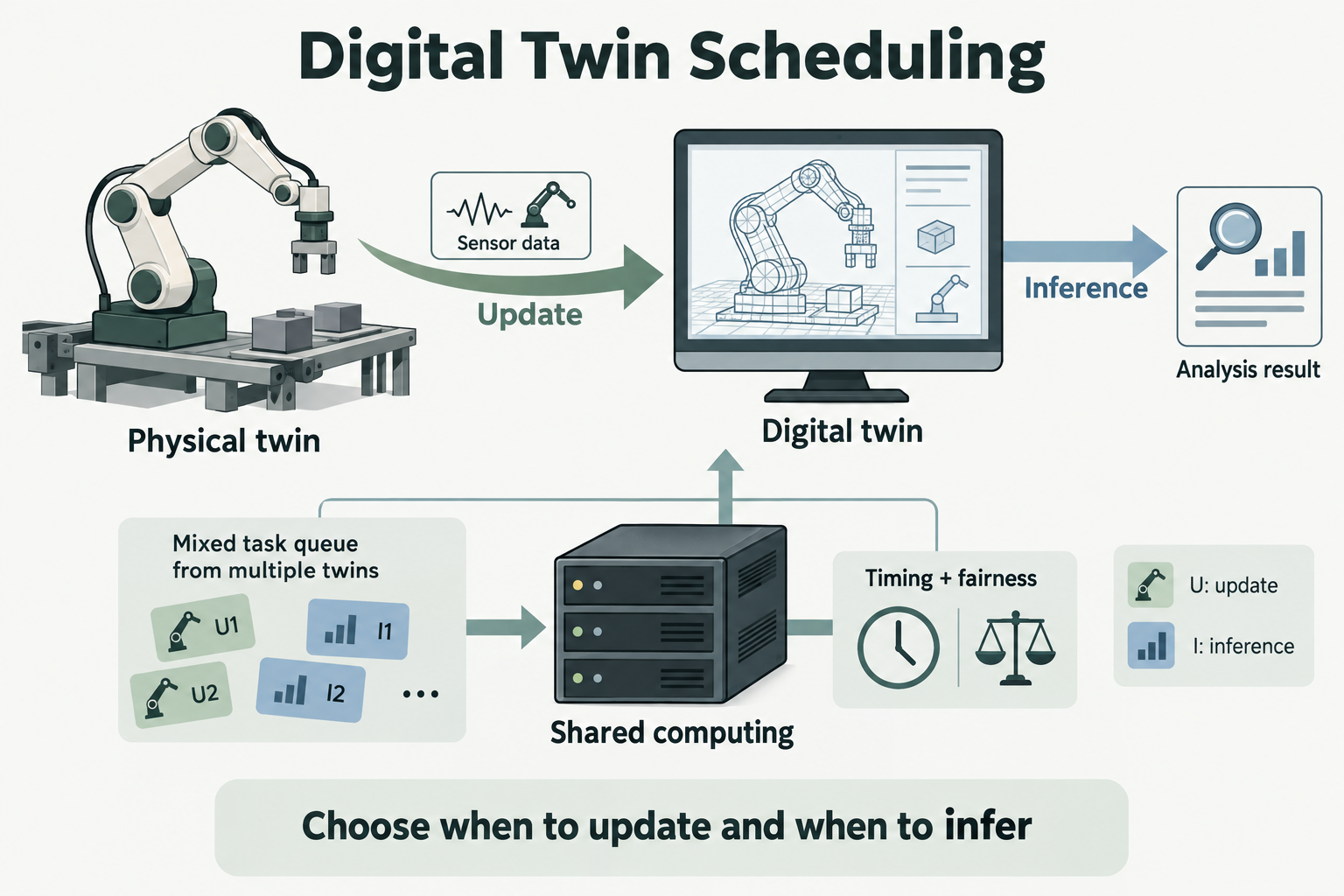
[2025.04] Our paper titled “Real‑Time Task Scheduling With Fairness in Digital Twin Systems” has been published in the IEEE Internet of Things Journal.
[2025.03] I was appointed as an Assistant Professor in the Department of Artificial Intelligence and Information Technology at Sejong University.
🔬 Research Areas
NEXT-GENERATION WLAN
Wi-Fi 7 Multi-Link Networking
Analysis and design of IEEE 802.11 multi-link operation, including cross-link self-interference, fair channel access, and behavior under saturated traffic. The objective is predictable, standards-compatible performance across multiple links.
HETEROGENEOUS WIRELESS
Bluetooth–Wi-Fi Coexistence and Cooperative Discovery
Cross-stack coordination between Wi-Fi and Bluetooth/BLE is used to reuse otherwise idle airtime and share scan information. These mechanisms improve throughput and reduce the time and energy cost of discovering nearby access points.
ENERGY-EFFICIENT IOT
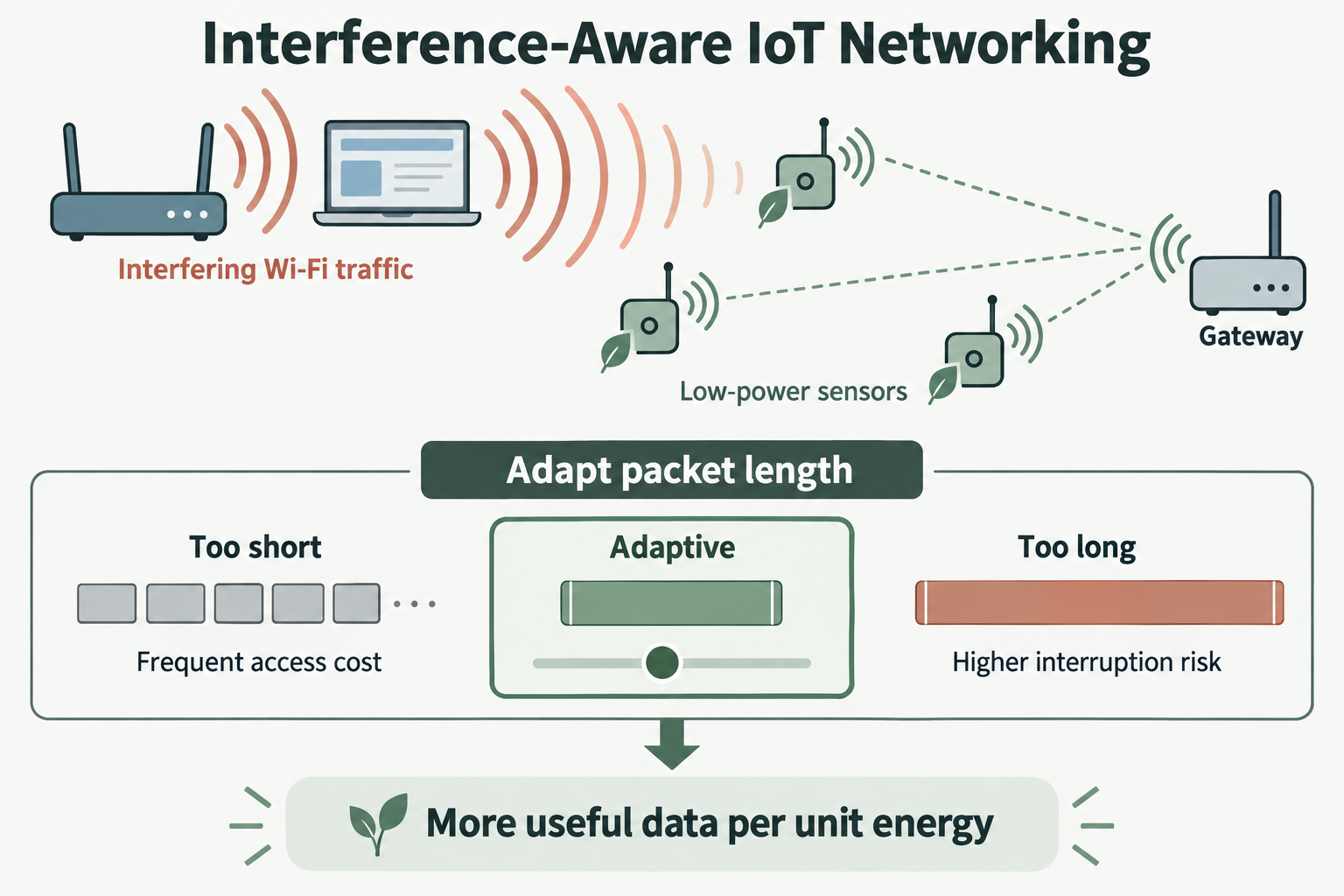
Interference-Aware IoT Networking
Statistical modeling and parameter adaptation for low-power CSMA/CA networks operating beneath higher-power overlay traffic. Packet sizes are tuned to maximize bit-per-joule efficiency in shared unlicensed spectrum.
Representative work J5